
Atrial fibrillation (AF) is a special type of arrhythmia that consists of an irregular and often very fast heartbeat that is pathological. It is estimated that 1 in 3 people will develop this disorder, although not necessarily chronically.
For many people, AF can be asymptomatic. However, the most common symptoms are fast and strong heartbeats (called palpitations), fatigue with minimal exertion, shortness of breath, or dizziness. While a normal resting heart rate is usually between 60 and 100 beats per minute, in atrial fibrillation it can rise to 150 to 200 beats per minute.
Lifestyle habits that can trigger an episode of atrial fibrillation usually include excessive consumption of alcohol or stimulants, and high levels of emotional stress combined with a lack of adequate night-time rest. It is therefore important to maintain good hygiene routines and daily habits to reduce the likelihood of developing this condition.
Risk factors that may increase the likelihood of developing AF include age, electrolyte disturbances (potassium, sodium, calcium, and magnesium), coronary heart disease, valvular heart disease and congenital heart disease, a history of heart attack or heart surgery, high blood pressure, obesity, thyroid disorders, and the use of over-the-counter antihistamines and cold remedies. Not all of these factors can be changed, such as the passage of time. However, other preventable causes, such as the use of non-prescription drugs and drugs purchased without medical advice, can have significant consequences.
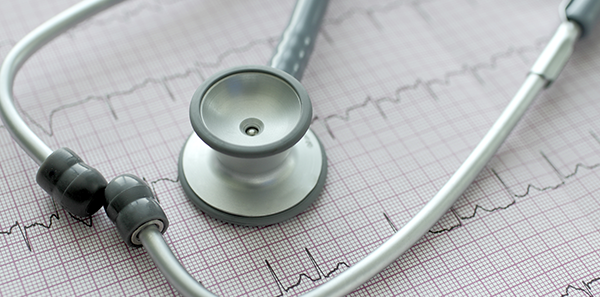
Atrial fibrillation is diagnosed through a medical examination, medical history (questions asked by the doctor to compile a medical record) and medical tests that will ultimately confirm both the presence of the arrhythmia and the structural context in which it first appeared. The usual diagnostic tests carried out during the course of this study may include a blood test, an electrocardiogram, 24-hour electrocardiogram monitoring (known as a Holter monitor), an echocardiogram, an exercise stress test and/or a chest X-ray.
Finally, it should be noted that the two main complications of this condition are:
- The formation of blood clots in your heart, which can get dislodged with arrhythmia and travel mainly to your brain, causing a stroke.
- Excessive heart rate, which prevents effective blood pumping throughout your body.
Therefore, treatment focuses on preventing excessive acceleration of cardiac function through specific drugs and reducing blood clotting with medications that thin your blood, called anticoagulants.
In this case, and in any medical situation in which you suspect that something might be wrong with your health, never hesitate to consult your cardiologist or request a full check-up for your peace of mind and safety. Your doctor is your ally and will be happy to dispel any fears you may have with their extensive knowledge.
Dr. Ana Rodríguez-Argüeso
Medical Director at ASSSA