
With the arrival of winter and the drop in temperatures, your body weakens and becomes more vulnerable, making you more susceptible to respiratory infections. Furthermore, when there are fewer hours of sunlight, many people do less physical activity and neglect their habits. Here are some practical tips for staying healthy at this time of year:
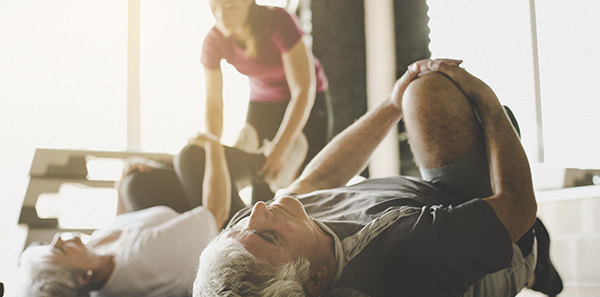
- Exercise during daylight hours or in well-ventilated indoor spaces helps strengthen your immune system. Be careful of surfaces that may be slippery due to moisture or rain.
- Wear appropriate clothing outdoors: windproof and cold-resistant garments. Wear layers with breathable clothing to prevent heat loss without generating moisture.
- Protect sensitive areas: your head, hands, feet, nose, and ears. You can do this by wearing proper cotton or wool hats, gloves, scarves, and socks.
- Maintain a proper skincare routine with quality moisturisers and sunscreen. This will help prevent cracks and peeling, which are common effects of cold weather.
- Follow a balanced diet to strengthen your immune system, including foods rich in vitamin C (kiwis, strawberries, oranges, etc.) and starters consisting mainly of vegetables, such as creamed or sautéed vegetables, to replace fresh summer salads. Don’t forget pulses, a great source of healthy vegetable protein. Fish should be prioritised over red meat.
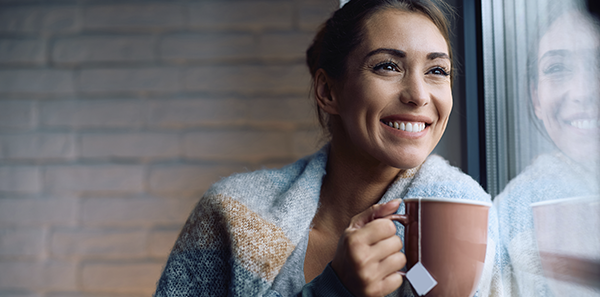
- Stay hydrated. Eating soups, broths, and drinking herbal teas is a good way to stay hydrated, warm up, and get nutrients. It is important not to drink alcohol, as it promotes dehydration and heat loss.
- Maintain good hygiene by cleaning and ventilating your home and washing your hands frequently to reduce the spread of viruses and bacteria that are so common at this time of year.
- Get plenty of rest and establish a good sleep routine to keep your defences strong.
- During disease outbreaks: wear a mask in crowded places
Remember that colds and flu are not treated with antibiotics. If you have severe symptoms, see a healthcare professional, who will advise you on what to do, and avoid self-medication.