
Over the past few years, microplastics have become a prominent topic in discussions regarding health and the environment. These tiny fragments of plastic are everywhere: in the air, in water and, most worryingly, in our food. But how do they really affect us? Is it time to rethink our diet?
What are microplastics and how do they end up in our food?
Microplastics are plastic pieces measuring less than 5 mm in diameter. They are classified as primary (manufactured for use in products such as cosmetics and detergents) and secondary (resulting from the degradation of larger plastics).
Since they are not biodegradable, they only break down into smaller pieces, which are then ingested or inhaled by many organisms and lodged in their tissues. Its presence in the food chain is a direct consequence of environmental pollution. They have been detected in:
- Sea salt, due to ocean pollution.
- Fish and shellfish, as they ingest them from the water.
- Bottled and tap water, due to contact with pipes and containers.
- Fruit and vegetables, through irrigation with contaminated water.
- Processed foods, due to the use of plastic packaging in their production.
How do they affect our health?
Although their exact impact is still unknown, studies suggest that they may have negative effects:
- Inflammation and cellular toxicity due to the accumulation of particles in the body.
- Disruptions in the endocrine system caused by the presence of endocrine disruptors (chemical substances capable of altering hormonal balance).
- Oxidative stress, which contributes to cellular ageing and chronic diseases.
- Digestive disorders caused by the accumulation of chemicals in the gastrointestinal tract.
Furthermore, some microplastics may contain toxic substances, such as heavy metals or chemical compounds that are released over time, increasing the risk of metabolic and neurological diseases.
Should we change our diet?
While it is difficult to completely avoid exposure, there are strategies that can help reduce exposure:
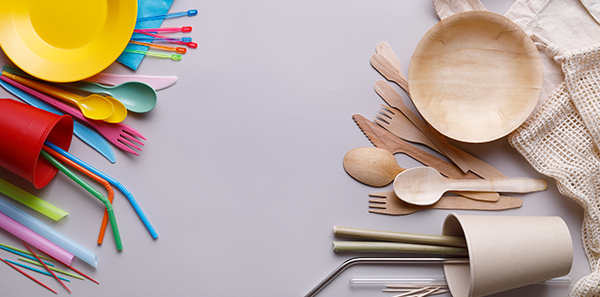
- Prioritise the consumption of fresh foods and avoid plastic packaging for storage.
- Do not heat up food in plastic containers, as the heat releases harmful chemicals.
- Filter tap water to minimise the presence of particles.
- Opt for fish and seafood from controlled sources and avoid species with high levels of contamination.
- Reduce consumption of ultra-processed products, which are often in prolonged contact with plastics.
Should we be worried?
While further research is needed to fully understand the long-term health effects, reducing exposure is a wise decision. Plastic pollution is a growing problem and its impact should not be underestimated.
There are currently lines of research based on the possible biological degradation of plastics through microorganisms such as bacteria and fungi, which could reduce pollution in the future.
For now, we recommend adopting healthier habits, prioritising a healthy diet and reducing the use of plastics in your daily life. The key lies in prevention and making informed decisions. Small changes can make a big difference, both to our health and to that of the planet.
Dr. Evelyn Jardim Da Silva
Radiology
Policlínica ALEN