
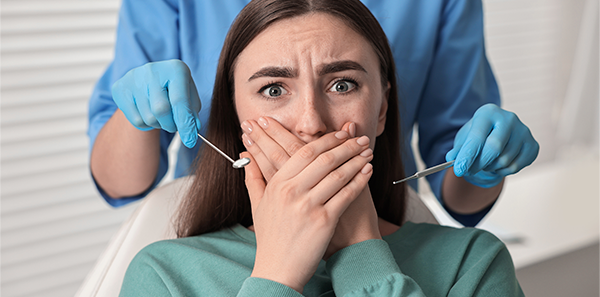
Fear of the dentist, known as odontophobia, is a common fear that affects millions of people around the world. It can range from mild anxiety before a check-up to intense panic that leads to completely avoiding any dental appointments.
Although it often stems from negative past experiences, it can also be caused by fear of pain, the sound of instruments, or the feeling of loss of control. Luckily, there are effective strategies to reduce this fear and improve oral health.
Why are people afraid of the dentist?
There are many different reasons. Some people develop this fear as a result of painful procedures they underwent during childhood or adolescence. Others simply feel uncomfortable at the thought of being in a vulnerable position while someone tampers with their mouth with noisy instruments. The media and stories told by family or friends can also have a negative influence, reinforcing the stereotype of the dentist as something to be feared.
In addition, generalised anxiety, fear of needles, pain or even clinical smells can heighten their fear of the dentist.
Tips for reducing fear
- Talk to your dentist
Open communication is key. Tell your dentist about your fear before starting any procedure. An understanding professional can explain what they will do step by step, give you more time to relax, and suggest techniques to minimise discomfort.
- Start with simple visits
If you haven’t been to the dentist in a while, schedule an appointment for a basic cleaning or check-up. This allows you to familiarise yourself with the environment and the equipment without the pressure of an invasive procedure.
- Practise relaxation techniques
Deep breathing, guided meditation, or even listening to relaxing music with headphones can help you manage anxiety during your appointment.
- Choose the right dentist
Look for a professional who has experience with anxious patients or who offers options such as conscious sedation. Feeling confident makes a big difference.
- Bring someone along to your appointment
Bringing a friend or family member along can provide emotional support and make the experience less intimidating.
- Go regularly
Only going to the dentist when you are in pain or have an emergency can associate the experience with negative feelings. By attending regularly, visits become routine and less stressful.
Overcoming your fear of the dentist does not happen overnight, but by taking small steps you can change your perception and regain control over your oral health. Remember that a healthy mouth not only prevents disease, but also improves self-esteem and quality of life.
Visiting the dentist does not have to be a traumatic experience. With empathy, information, and preparation, you can transform fear into confidence and well-being.
Dr. Francisco Boyer
Dentist and CEO at Clínica Boyer