

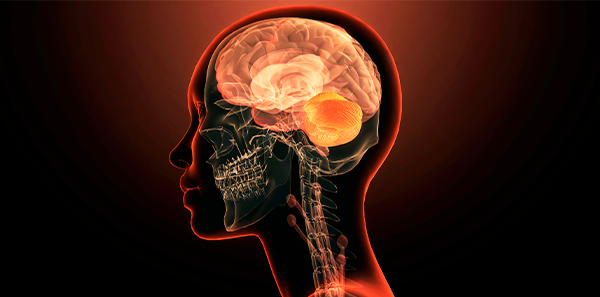
From your mood and metabolism to growth, reproduction and energy, hormones quietly shape how your body works every single day. These molecules are produced by different glands and act as the body’s chemical messengers, travelling through the bloodstream to coordinate a wide range of essential functions. Their overall job is to help preserve the body’s internal balance, or homeostasis, so that the internal environment remains stable.
They are produced by the pituitary gland, which sits at the base of the brain and is about the size of a pea, as well as by the glands of the endocrine system. The main ones are the thyroid, parathyroids, thymus, adrenal glands, pancreas, ovaries in women and testes in men. In addition to secreting some hormones itself (growth hormone, prolactin and oxytocin), the pituitary gland also regulates the activity of the other glands.
The main hormones include:
- Insulin
Produced by the pancreas, insulin regulates blood glucose levels by lowering them and allowing glucose to enter the cells, where it can be used for energy.
- Glucagon
Also produced by the pancreas, glucagon works in the opposite way to insulin. It raises blood glucose levels by stimulating the release of stored glucose from the liver.
- Thyroid hormones
Produced by the thyroid gland, which is located at the front of the neck, these hormones help regulate metabolism, raise body temperature (except in the brain, spleen and testes), regulate heart rate and increase the strength of the heart muscle’s contractions, among other functions.
- Cortisol
Produced by the adrenal glands above the kidneys, cortisol regulates the body’s metabolic response to stress and to circadian rhythms (the physical, mental and behavioural changes the body goes through over a 24-hour cycle). Its levels rise in the early hours of the morning to help activate us as we wake with daylight.
- Adrenaline and noradrenaline
These are also produced by the adrenal glands. They activate the body in situations of alert, fight or flight, increasing blood pressure and heart rate.
- Oestrogen and progesterone
These female sex hormones are produced by the ovaries. Oestrogen is responsible for the development of secondary sexual characteristics, the regulation of the menstrual cycle and bone health. Progesterone prepares the endometrium, the inner lining of the uterus, for implantation of a fertilised egg and helps maintain pregnancy.
- Testosterone
This male sex hormone is produced by the testes and is responsible for the development of male sexual characteristics and for sperm production.
- Growth hormone
Produced by the pituitary gland, this hormone is crucial for organ and tissue growth and development during development and throughout life.
- Prolactin
Also produced by the pituitary gland, prolactin stimulates milk production in the mammary glands after childbirth.
- Oxytocin
Released by the pituitary gland, oxytocin is essential in childbirth and breastfeeding. It is also involved in social behaviour, maternal bonding, forming emotional connections and reducing stress, which is why it is often known as the “love hormone”.
All these hormones are closely interconnected and respond to both physical and psychological stimuli, helping maintain good health.
Dr Jordi Amat
Medical Director, ASSSA Barcelona