
Chilblains, also known as erythema pernio, are skin disorders or lesions that usually appear in cold weather or when there is a sudden change in temperature. The symptoms are very uncomfortable and can affect quality of life.
They appear as red or bluish spots on your hands, feet, ears, or nose, along with itching and a burning sensation. It can cause blisters or ulcers on your skin and usually disappears within 2-3 weeks. It affects people of all ages, especially young or middle-aged women.
What are the causes?
After prolonged exposure to cold, blood vessels constrict in order to protect your skin. But there are other factors that can contribute to the appearance of:
- Sudden changes in temperature (extreme cold after very intense heat).
- Excessively low weight.
- Hormonal changes.
- Low blood pressure.
- Autoimmune diseases.
- Bad habits such as smoking or drinking alcohol.
How to relieve symptoms
- Warm the affected area without applying direct heat: do not use hot water, hair dryers, or heaters. Avoid sun exposure.
- Avoid staying in cold areas for long periods of time and stay indoors when temperatures drop.
- Keep your skin dry and clean. If you have any sores or blisters, clean and cover them.
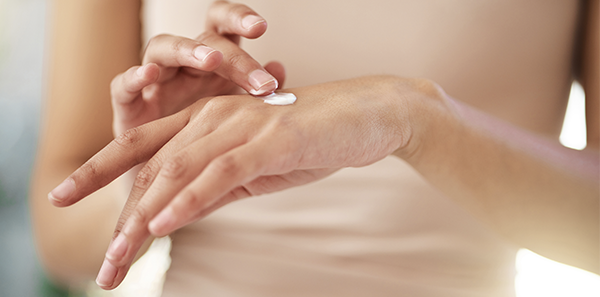
- Apply lotions to relieve itching. These can be purchased in pharmacies.
- Avoid scratching the affected skin to prevent infection.
- Avoid smoking, as it can slow down healing.
To prevent recurrence, the best strategy is prevention: adopting healthy habits, exercising regularly, maintaining a balanced diet, and protecting your hands and feet from the cold can make a big difference.
If chilblains persist for more than 4 weeks, symptoms worsen, blisters appear, or an infection develops, see a healthcare professional for treatment as soon as possible.