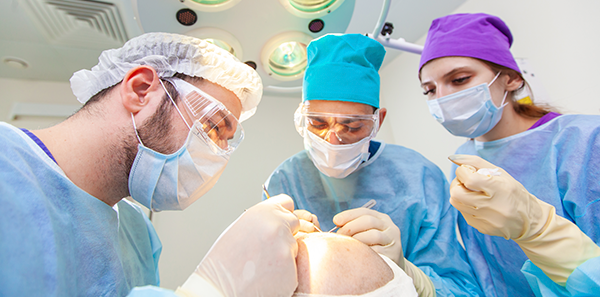

Minimally invasive surgery has transformed the surgical approach in recent decades, becoming an increasingly popular alternative to traditional techniques. Thanks to technological innovation, complex procedures can now be performed through very small incisions, offering significant benefits to the patient.
What is minimally invasive surgery?
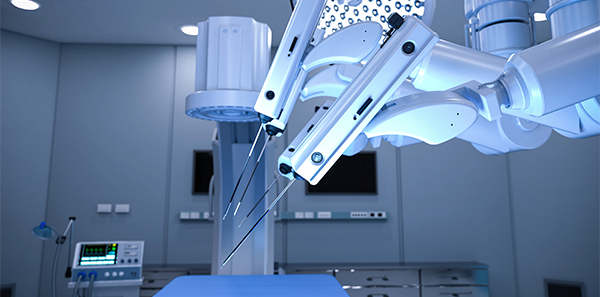
Minimally invasive surgery refers to surgical procedures that, as opposed to requiring large incisions, are performed through very small cuts using cameras, tiny instruments and, in many cases, robotic assistance. Some of the most common techniques include laparoscopy (viewing the pelvic-abdominal cavity), arthroscopy (allowing direct observation inside the joints) and robotic-assisted surgery (tools are attached to a remotely controlled robotic arm). These are widely used in specialities such as digestive, urological, gynaecological, and trauma surgery.
Less aggressive, more efficient
One of the main advantages of this type of surgery is the reduced surgical trauma. By minimising damage to surrounding tissue, it is possible to achieve:
- Less post-operative pain.
- Lower risk of infections.
- Shorter hospital stays.
- Smaller and more aesthetically favourable scars.
- Faster return to everyday life or work.
In many cases, it is even possible to perform these procedures on an outpatient basis, which also means savings in hospital costs and greater comfort for the patient.
Technology under the knife
The evolution of minimally invasive surgery goes hand in hand with technological development. Nowadays, many procedures are performed with the help of robotic surgery systems, which offer pinpoint precision, greater control and an enlarged three-dimensional view of the surgical field.
These advances enable complex procedures to be performed in hard-to-reach anatomical areas, reducing complications and improving functional outcomes. Furthermore, the integration of tools such as augmented reality and surgical navigation (which involves using a device that visualises the patient’s anatomy and tracks the instrument during surgery) is becoming increasingly important in some specialities.
Is it suitable for all patients?
Although the advantages are clear, not all cases can be treated with minimally invasive surgery. The type of surgery, the experience of the surgical team, the characteristics of the patient, or the presence of complications may make conventional open surgery more advisable.
An individualised assessment by a specialist is therefore key to choosing the most appropriate technique in each situation.
Surgery of the future, today
Minimally invasive surgery has not only improved patient experience, but it has also redefined standards of surgical quality and safety. As technology continues to advance, these techniques are expected to become even more accurate, secure, and accessible.
Less invasive surgery aims to improve patient well-being and recovery.
Dr. Mehdi Kaf Bouamama
Resident Surgeon
San Juan de Alicante Hospital