

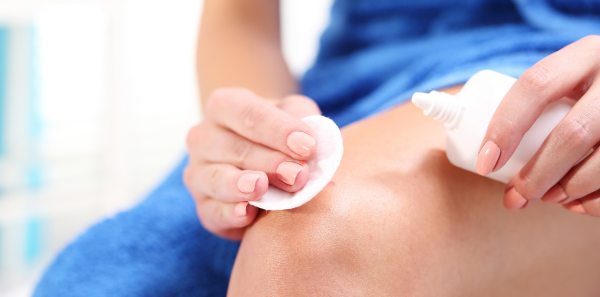
Minor injuries, such as cuts, grazes or burns, are very common in everyday life. We’ll show you how to treat them.
First of all, some general recommendations
The first thing you should do is wash your hands thoroughly with neutral soap and water to prevent any bacteria from coming into contact with the wound.
What if it’s bleeding? The first thing you should do is stop the bleeding. For minor wounds, apply pressure to the injury using a gauze pad. When the wound stops bleeding, clean it with saline solution, working from the centre outwards.
How often do I need to treat it? You should clean the wound and apply an antiseptic every day. If it has not healed after a week, or if it shows any signs of infection, seek medical attention.
And how do I know if it’s infected? The skin around the wound will feel hot, be swollen and red, and may ooze fluid or have an unpleasant smell. You may also develop a fever or experience pain. If this is the case, it is important to seek medical attention.
Treatments by type of wound
- Incised wounds, caused by sharp objects (knives, glass, etc.).
Clean the wound with saline solution and apply a sterile gauze pad, applying gentle pressure. Cover with a sterile dressing. If the wound is deep and requires stitches, seek medical attention within 6 hours.
- Abrasions, caused when your skin rubs against a rough surface.
Clean the wound with neutral soap and water to remove any debris, then apply a saline solution to clean it thoroughly. Apply a topical antiseptic (preferably chlorhexidine) and cover with a sterile occlusive dressing and a layer of sterile gauze on top.
- Minor burns
Cool the area by placing it in cold water for 10–15 minutes, then clean it with saline solution, apply an antiseptic (preferably a gel) and cover with a hydrocolloid dressing.
- Bruises caused by impact, which result in bruising or swelling.
If there is no bleeding, apply ice to the area, wrapping it in a cloth to avoid direct contact and prevent frostbite. If the wound is bleeding, clean it and then follow the steps outlined above.
If the pain is very severe or there are signs of a fracture, seek medical attention.
- Puncture wounds caused by a sharp object (screw, splinter, etc.).
Clean the affected area with water and neutral soap. Check that there are no fragments left in your skin; if there are, seek medical attention.
In all cases, it is important to ensure that you are up to date with your tetanus vaccination.
Common mistakes
- Using alcohol. Alcohol should not be applied directly to an open wound, as it irritates the tissue. Hydrogen peroxide has limited antiseptic properties.
- Mixing different antiseptics, such as iodine and chlorhexidine, as they may have no effect because they neutralise each other.
- Using cotton wool to clean the wound. Sterile gauze is better, as cotton wool can leave fibres and bits stuck behind.
- Leaving the wound exposed. It is better to cover it, as this speeds up and promotes healing by encouraging scab formation.
- Blowing on wounds, as your mouth contains germs that could infect the wound.